Spackle vs Joint Compound: Which One Do You Need?
Spackle and joint compound both fix wall holes but they are different products. Here is the difference, and which one you need for each repair.
TL;DR
Use spackle for small, single holes under about half an inch, like nail pops and screw holes: it shrinks almost nothing, dries fast, and needs no tape. Use joint compound for anything that involves a seam, tape, or a bigger patch: it sands smoothly, feathers invisibly, and is what pros use for walls. Keep both on hand. Spackle for a 10-minute touch-up, joint compound for any repair where the patch has to disappear into the wall.
Two different white pastes solve just about every wall damage on planet Earth, and they are not interchangeable, no matter how similar they look in the tub. One is spackle. One is joint compound, which everyone calls mud. Both fill holes in walls, and that is where the similarity ends.
The short version, for when you are standing in the aisle wondering which one: if the hole is smaller than half an inch and self-contained, like a nail pop or a screw hole, grab the spackle. If you are touching a seam, taping anything, or patching something bigger than your thumb, get the joint compound. Keep both, and here is why.
What spackle actually is
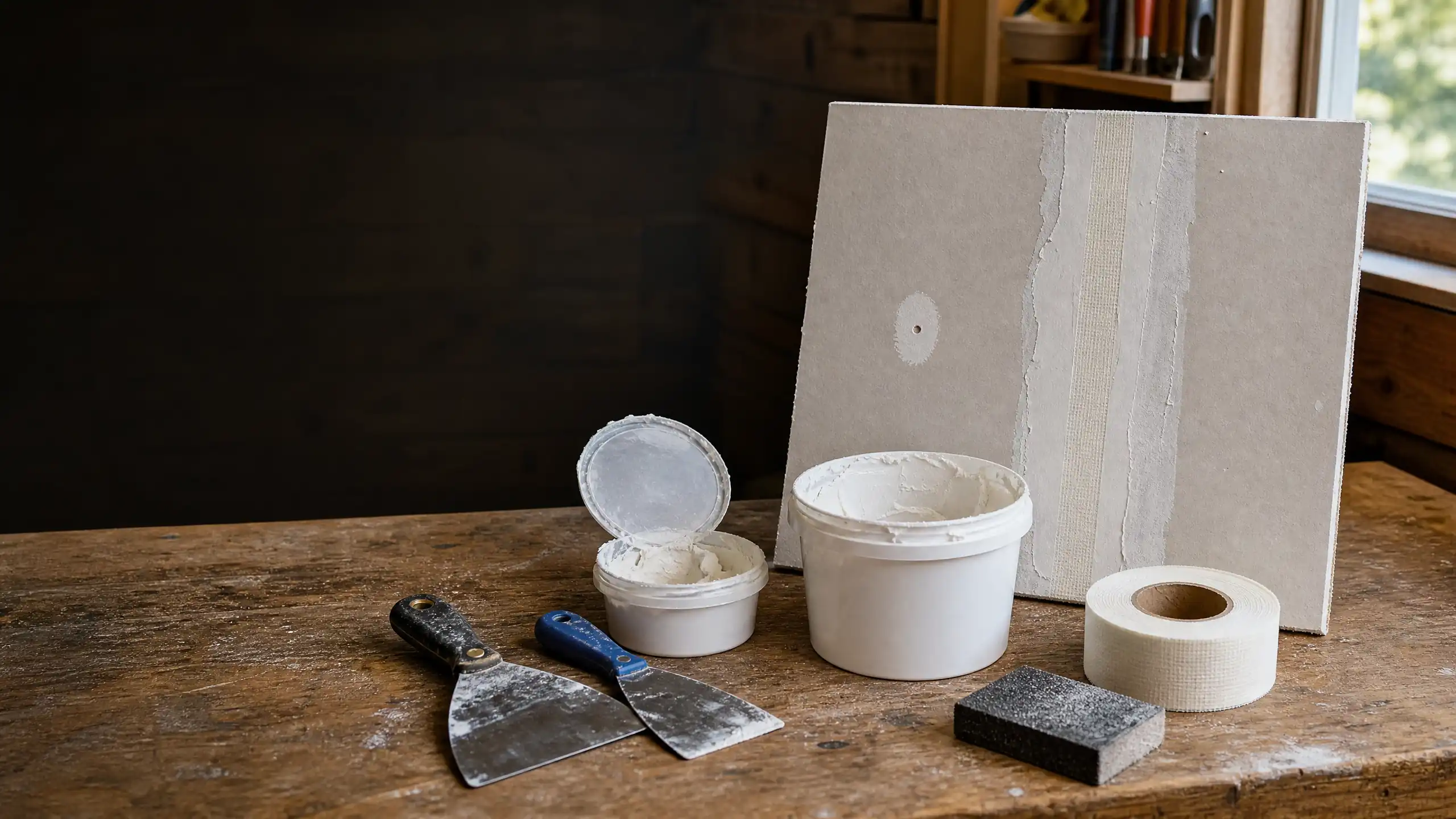
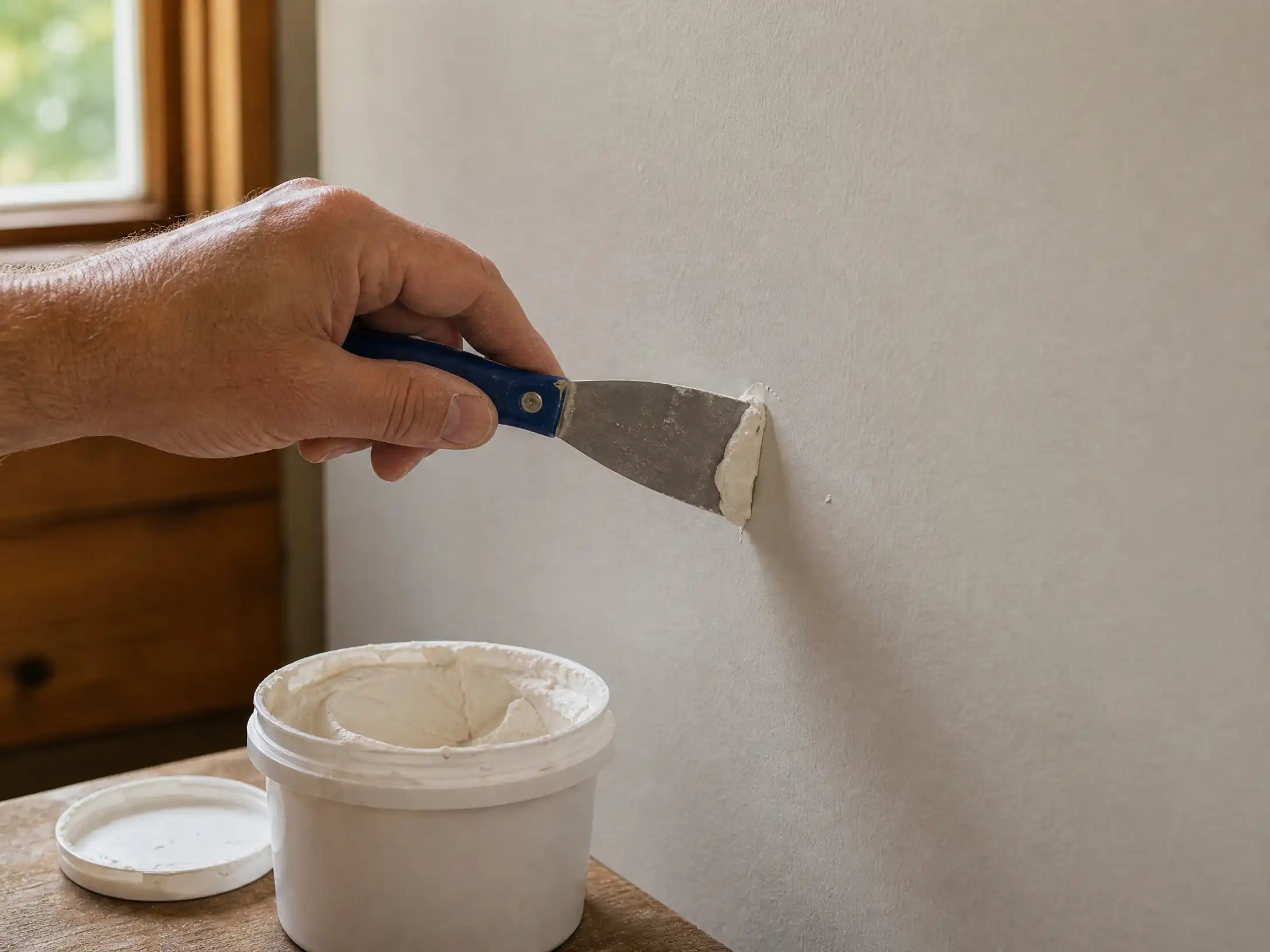
Spackle is a filler with glue in it. The glue lets it grab the torn paper edge of a small hole, which is why it holds where a plain filler would crumble out. It comes pre-mixed, dries in an hour or two, and barely shrinks, so you can fill a nail hole in one pass and paint it the same day.
That is its superpower: speed. The trade-off is that spackle cannot feather. It dries to a defined edge, which is fine on a hole the size of a coin and useless on a seam that needs to vanish into the wall.
What joint compound is
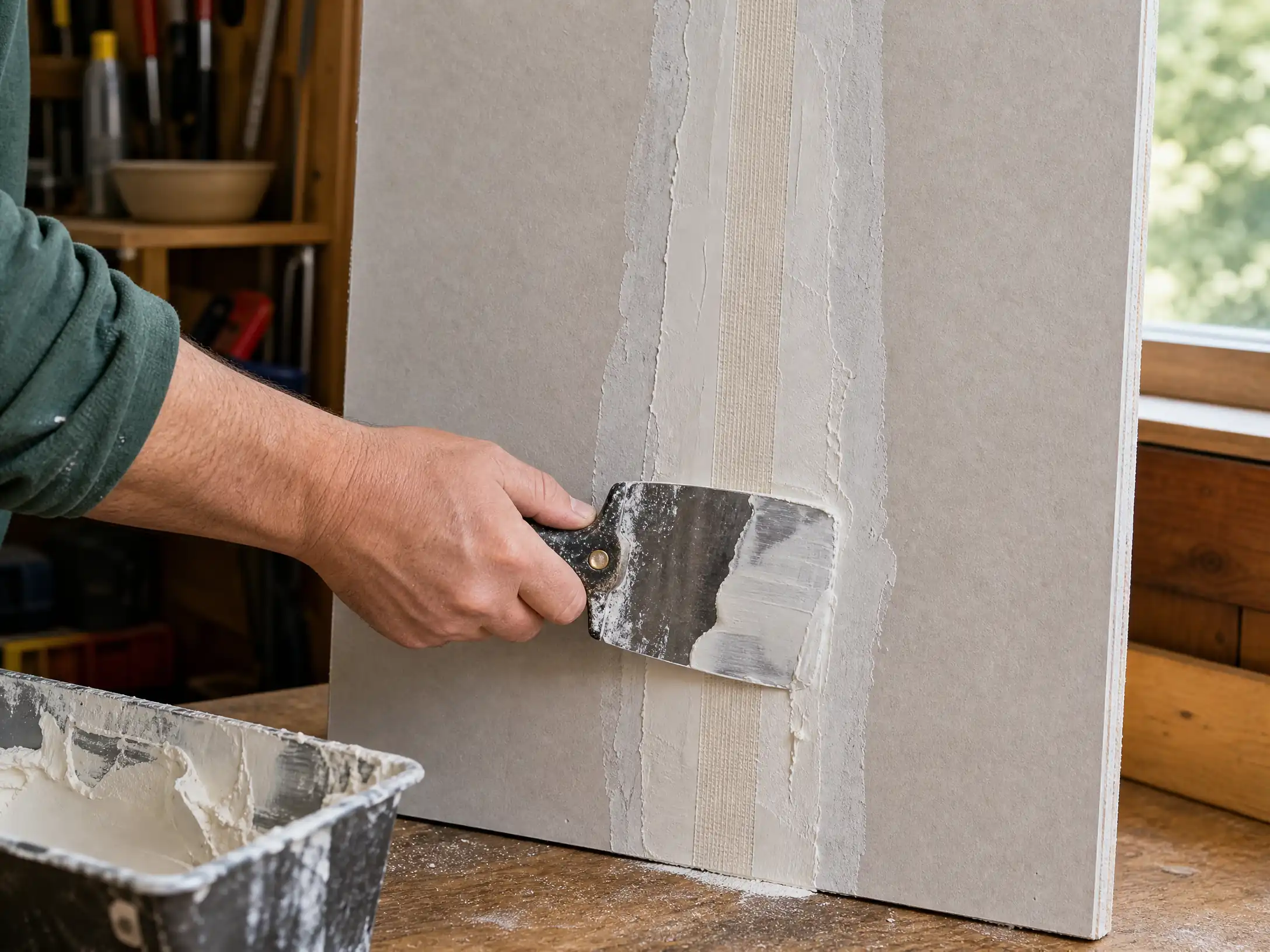
Joint compound is gypsum mud, the same stuff that finishes entire walls. It dries slower, shrinks a little, and needs multiple coats, but it does one thing spackle cannot do: it feathers. You spread it wide and thin at the edges, and when it is sanded, the patch becomes part of the wall instead of sitting on top of it.
Joint compound is also the only one of the two that will bed paper tape. Taping a drywall seam without compound is like gluing a bandage over a cut that is still open.
The honest comparison
| Spackle | Joint Compound | |
|---|---|---|
| Best for | Nail holes, screw holes, small dings | Seams, tape, patches over half an inch |
| Drying time | 1 to 2 hours | Overnight per coat |
| Shrinkage | Almost none | Some, needs two to three coats |
| Sanding | Hard, defined edge | Feathers invisibly |
| Needs tape? | No | Yes, for seams |
| Cost per tub | $4 to $8 | $10 to $15 |
How to decide, hole by hole
Run through the repair before you open a tub:
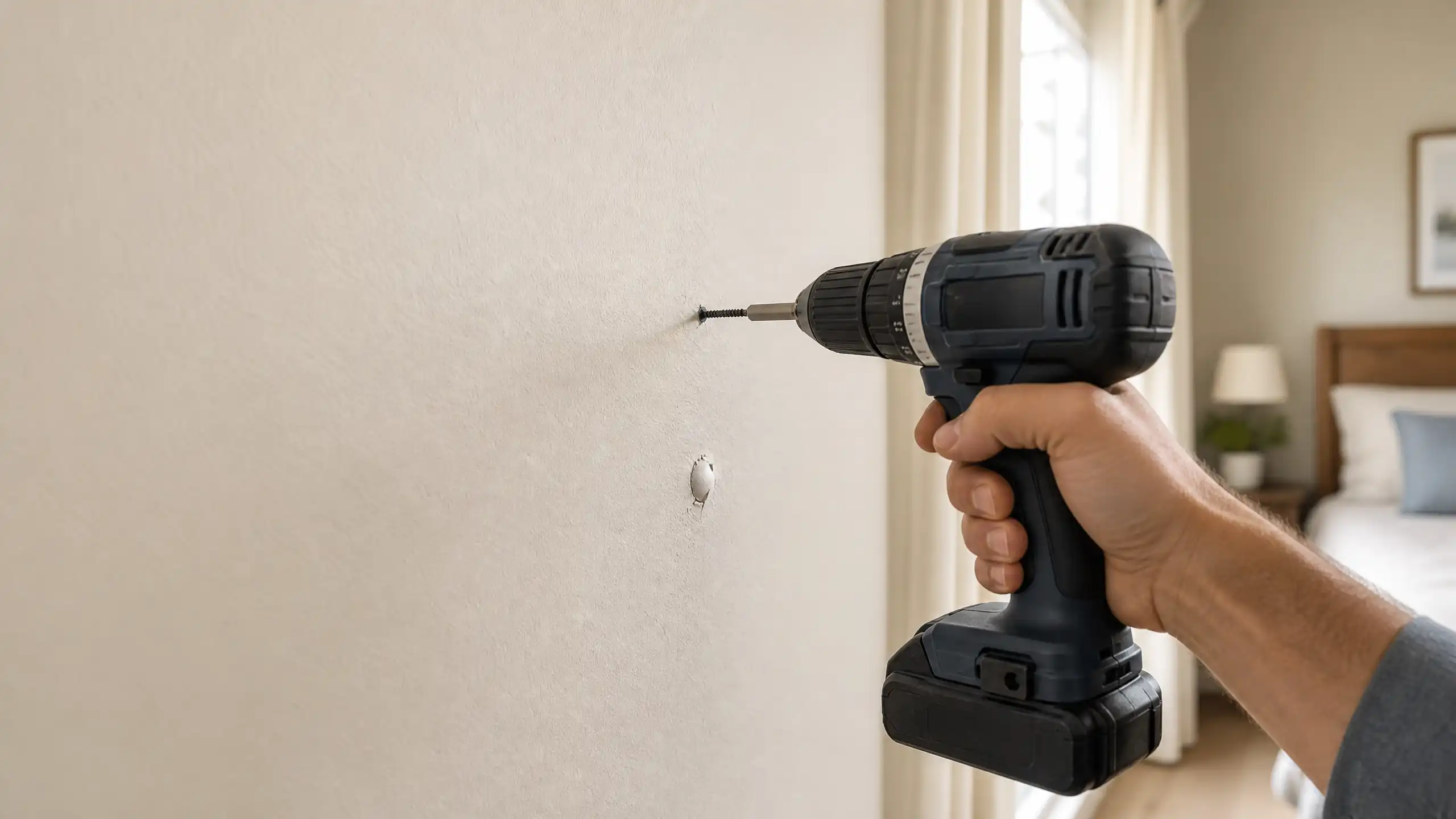
- Nail pop or screw hole: spackle. This is exactly the repair covered in the nail pop guide, and spackle handles the final fill.
- Small gouge in a painted wall: spackle. One pass, same-day paint.
- Patch from water damage: joint compound. Anything involving a cut-out patch and taped seams, like the water damaged drywall repair, is mud work, full stop.
- New drywall seams: joint compound and tape, three coats, no shortcuts.
- A crack in a corner: joint compound, and tape it too, because a crack that moves will tear right through spackle.
If a repair has a seam or a patch bigger than your thumb, it is a mud job. If it is a self-contained hole you can hide under a quarter, it is a spackle job.
The two rules that apply to every repair
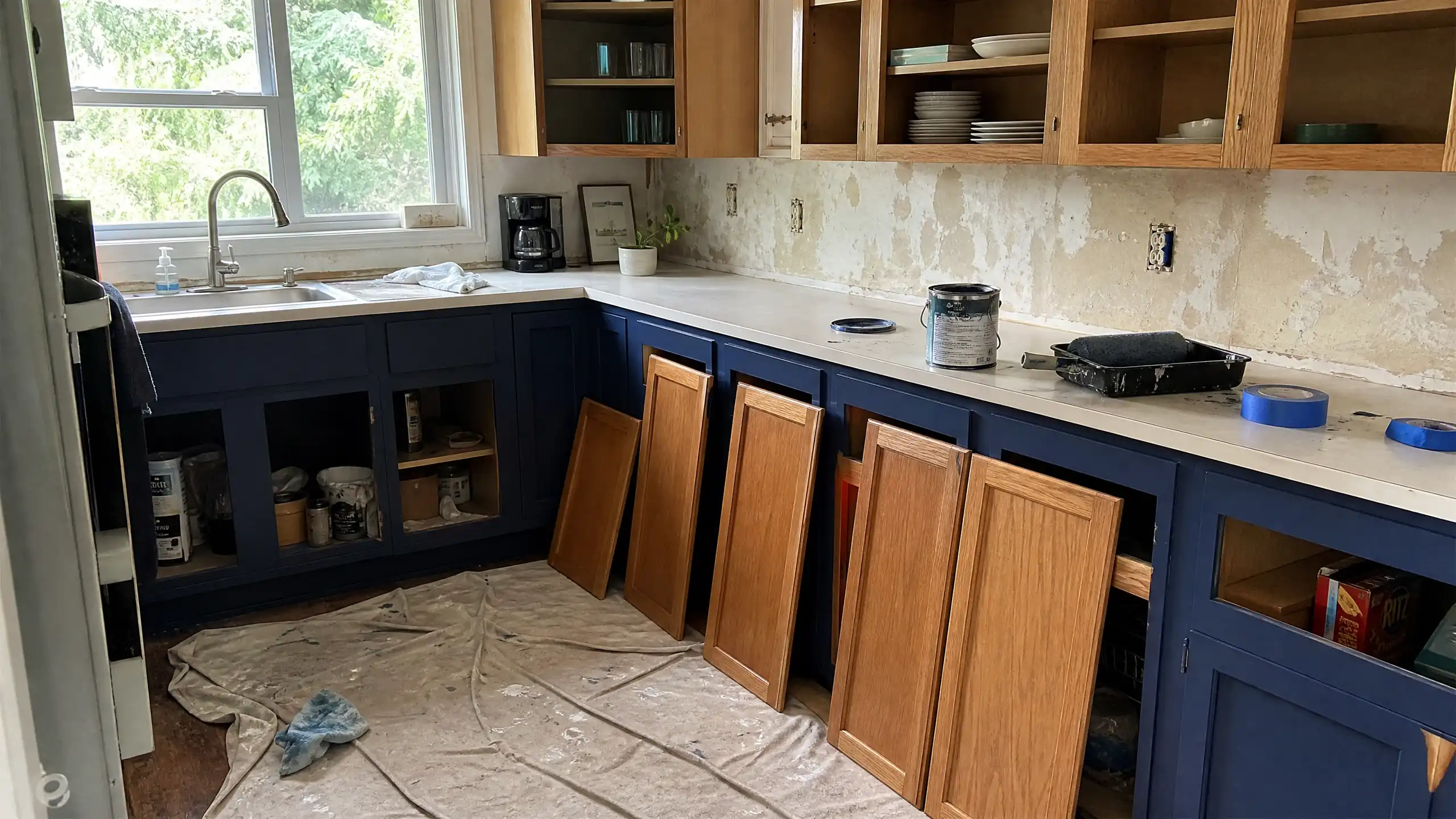
Two rules apply no matter which one you use. First, thin coats. This is the same principle that keeps kitchen cabinet paint from running and sagging, and it holds for walls too: one thin coat, let it dry, another thin coat, instead of one fat blob that shrinks and cracks. Second, spot-prime before painting. Both spackle and compound flash through finish paint, so the repaired area gets a pass of stain-blocking primer first, the same Zinsser BIN primer that keeps wall repairs from telegraphing through.
The bottom line
Neither product replaces the other, and the right answer is to own both. About eight dollars buys you a tub of spackle and a small bucket of compound, and between them you can handle every drywall repair a house will throw at you for years. When in doubt, ask yourself one question: does this hole have a seam? If yes, mud. If no, spackle.
Have you found a repair that made you switch from one to the other, spackle to mud or back? Share what worked in your house.
DAP Drydex Spackling (1 Quart Tub)
AmazonCheck Price →
Affiliate Link
DAP Wallboard Joint Compound (3 lb)
AmazonCheck Price →
Affiliate Link
Paper Drywall Tape (250 ft Roll)
AmazonCheck Price →
Affiliate Link
Key Takeaways
- Spackle wins for small holes: dries fast, shrinks little, no tape needed.
- Joint compound wins for seams, taped repairs, and anything bigger than half an inch.
- Both sand smooth, but joint compound feathers invisibly into the wall, which spackle cannot match.
- Keep both on hand: they cost a few dollars each and cover every drywall repair you will meet.
Frequently Asked Questions
Can you use spackle on drywall seams?
What is the difference between spackle and joint compound?
Is joint compound stronger than spackle?
Do I need to prime over spackle or joint compound before painting?

Malik Areeb Ahmed is a contributor at Aesthetic Vibes, covering home improvement and DIY projects.